

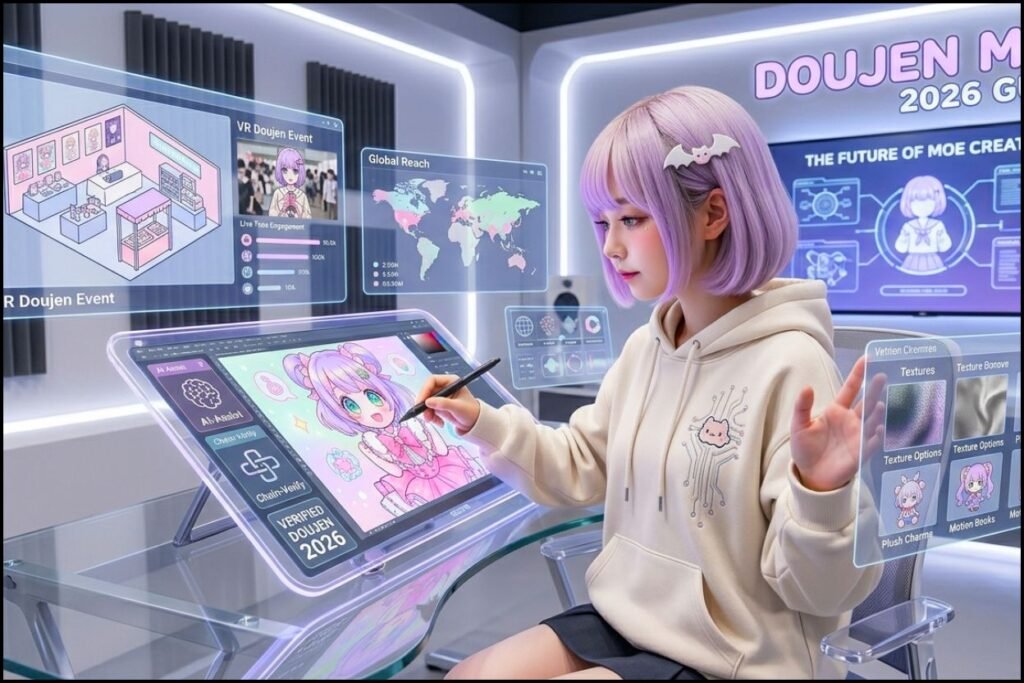
What is Doujen Moe?
Doujen Moe is a unique and vibrant aspect of the broader doujinshi culture, which encompasses self-published works created by fans. Originating from Japan, the term “doujin” refers to works produced by amateur creators, often drawing inspiration from existing media, including manga, anime, and video games. Within this context, “moe” signifies a strong affection towards fictional characters, often characterized by features appealing to fans, such as cuteness or innocence. This emotional connection has led to the creation of fan art and stories that explore these beloved characters in novel ways.
This genre of art and storytelling has its roots in the otaku subculture, where Doujen Moe enthusiasts passionately engage with their favorite characters and narratives. Doujen Moe, therefore, represents not just a form of fan expression but also a significant social phenomenon within the anime community. It reflects the fluid boundaries between creators and their inspirations, as fans transform their love for existing works into something distinctly personal and inventive.
The significance of the term “moe” within this realm cannot be understated. It has infiltrated numerous creative aspects of anime and manga, influencing character design and storytelling methods. Works categorized under doujin moe predominantly focus on creating content that resonates with the emotional and aesthetic preferences of their audience, often exploring themes such as friendship, love, and adventure with a lighter, whimsical touch. This affinity has spawned a vast array of doujinshi that range from comic parodies to original stories featuring fan-favorite characters, thus underpinning its integral role in shaping the otaku community.
The Evolution of Doujen Moe
The journey of doujin moe traces back to the late 20th century when passionate fans began expressing their love for anime and manga through independent, self-published works known as doujinshi. Initially, these fan-made creations were limited to print media, produced in small runs and often circulated within niche communities. As the popularity of manga and anime grew, so too did the scope and diversity of doujinshi genres, leading to the emergence of dedicated conventions such as Comiket in Japan, which became pivotal in popularizing this art form.
The advent of digital technology significantly transformed the landscape of Doujen Moe. Artists began to leverage software for illustration, enabling them to create high-quality artwork from the comfort of their homes. This shift not only improved the production quality of doujinshi but also made it easier for creators to distribute their work online. Platforms such as Pixiv and social media sites provided spaces for artists to showcase their talents beyond traditional conventions, fostering a global community of fans and creators.
Contemporary Doujen Moe has further evolved to mirror the changing dynamics within the anime and manga fandom. As societal perceptions shifted, themes in doujin projects began to explore more diverse narratives and character archetypes. This evolution also encompassed interaction with mainstream media, where doujinshi often influenced popular culture or referenced trending characters and story arcs from widely consumed anime.
As we reflect on the rich history of Doujen Moe, it is evident that it has not only served as an outlet for creative expression but also as a reflection of the changing interests and identities within the broader comic fan ecosystem. The evolution of doujinshi underscores the vital role that fan engagement plays in enriching the anime and manga landscape.
The Community Behind Doujen Moe
The Doujen Moe community is a lively and vibrant environment, comprising artists, writers, and fans who dedicate their passion to the creation and celebration of fan-made manga and art. One of the key aspects of this community is the diverse platforms where creators share their work, fostering an atmosphere of collaboration and support. Websites like Pixiv, DeviantArt, and various social media channels allow artists to showcase their talents, network, and receive feedback from peers and enthusiasts alike.
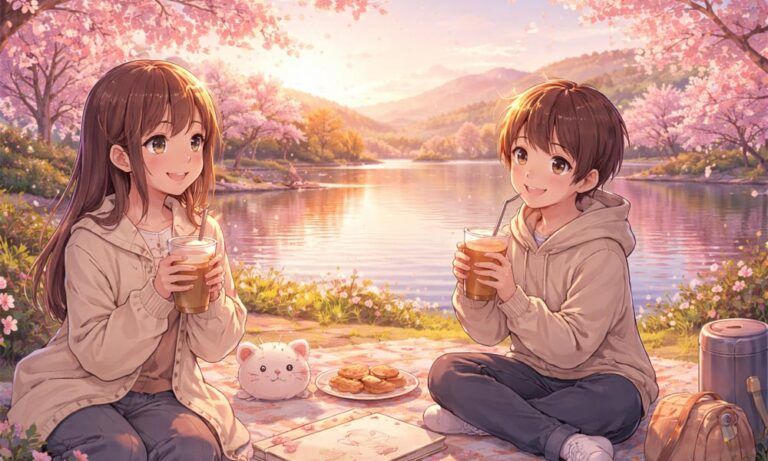
Conventions such as Comiket (Comic Market) play a crucial role in the Doujen Moe scene, providing a physical space where creators can present their work to the public. These events not only facilitate direct interaction between artists and fans but also cultivate a sense of belonging within the community. Attendees often gather to purchase doujinshi, participate in workshops, or engage in discussions about their favorite genres, further strengthening the bonds formed within the Doujen Moe world.
The collaborative nature of the doujin scene is another Babybelletje defining characteristic. Many artists and writers often join forces to produce works that combine their individual styles, pushing the boundaries of creativity and innovation. This synergy results in unique projects that celebrate the vast array of artistic talent present in the community. Additionally, many established artists actively mentor emerging creators, sharing insights and nurturing their development. This support system not only helps to elevate the quality of Doujen Moe but also ensures that the next generation of artists continually arrives with fresh ideas and perspectives.
Understanding and Appreciating Doujen Moe
To fully appreciate Doujen Moe, one must delve into the unique and vibrant culture surrounding fan-made manga and art. The first step is discovering where to find this captivating content. Websites such as Pixiv, which host a plethora of user-generated works, are excellent starting points. Additionally, various social media platforms allow artists to showcase their artworks and connect with fans. Joining fan forums and engaging in discussions can also enhance the experience, as these communities often highlight new and trending doujin moe pieces.
Supporting independent artists is crucial for the doujin moe ecosystem. Purchasing artworks directly from creators, whether through platforms like Etsy or dedicated doujinshi events, helps sustain their work. Artists often rely on their community for financial support, so contributing to crowdfunding initiatives or commissioning personalized pieces can significantly impact their ability to create. Sharing their work on social media platforms further amplifies their reach and encourages their creative endeavors.
The cultural nuances of Doujen Moe add another layer to its appreciation. It is vital to understand the balance between fan interpretations and original works, as this genre often walks a fine line concerning copyright issues. Many doujin creators draw inspiration from existing characters or stories, leading to a rich dialogue between original content and fan creativity. Recognizing the diversity of styles and narratives within Doujen Moe contributes to a more informed appreciation of this art form. Moreover, localization plays a key role in making doujin moe accessible to a global audience, allowing various interpretations to resonate across different cultures. Engaging with Doujen Moe means not only enjoying the art but also understanding the community dynamics and cultural identifiers that shape this fascinating genre.
