

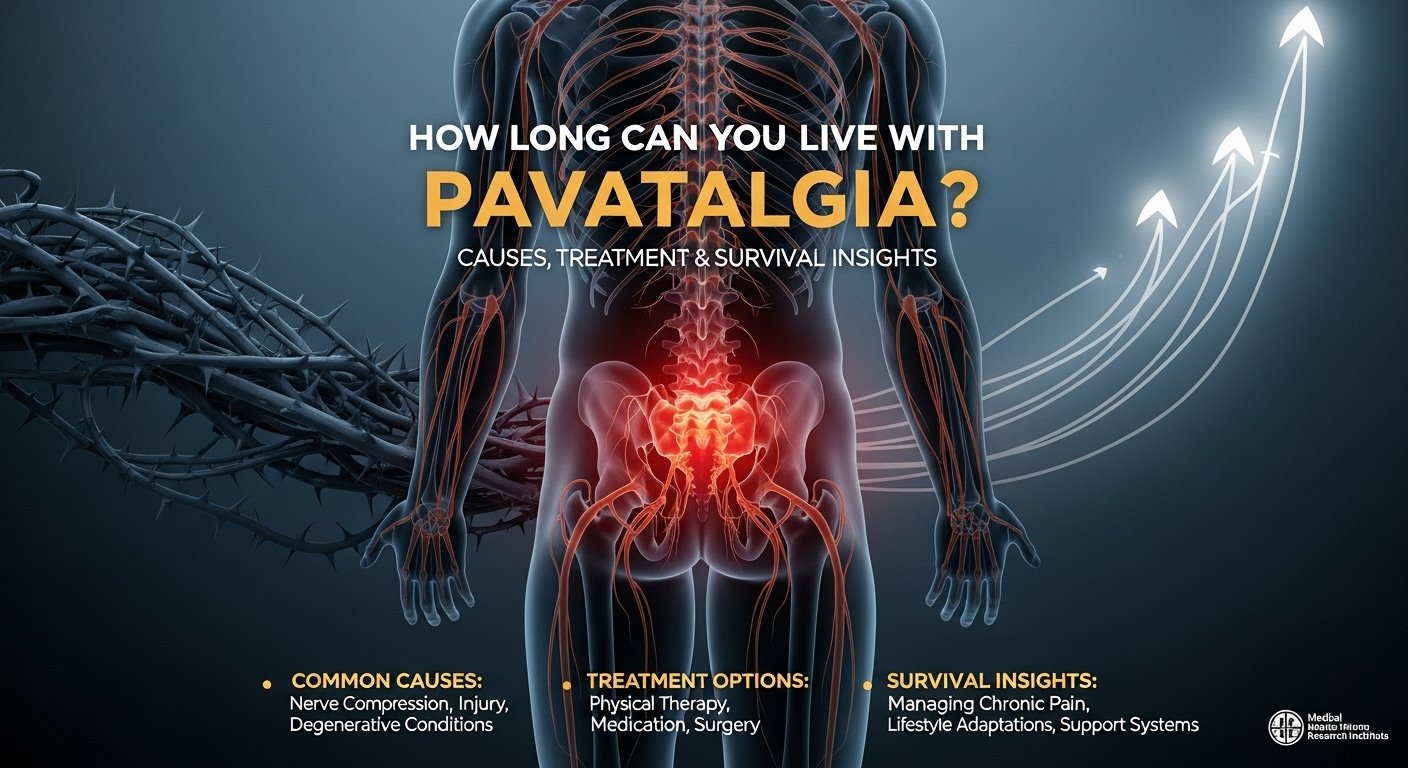
Understanding Pavatalgia: Definition and Symptoms
Pavatalgia, often recognized by its hallmark symptom of persistent pain in the lower extremities, is a medical condition that affects individuals in varying degrees. It is characterized primarily by the sensation of discomfort radiating from the feet up through the legs, which can result in significant challenges to mobility and daily functioning. The causes of pavatalgia may be diverse, stemming from underlying health conditions, injuries, or even prolonged periods of standing or walking.
Individuals experiencing pavatalgia might report a range of How Long Can I Live With Pavatalgia? symptoms that can vary in intensity and duration. Commonly, the pain can be described as sharp, aching, or throbbing, often exacerbated by physical activity or prolonged inactivity. Many individuals also experience accompanying symptoms such as tenderness, swelling, or numbness within the affected areas. The impact of these symptoms on daily life can be considerable, leading to a decrease in physical activity, which may further contribute to other health concerns, such as weight gain or decreased cardiovascular fitness.
Moreover, because pavatalgia can result from a variety of underlying issues, it is essential for those affected to seek proper medical evaluation. Understanding the specific origin of the pain not only aids in the effective management of symptoms but can also enhance one’s quality of life. Medical professionals may assess the individual’s medical history, perform physical examinations, and recommend imaging tests to determine the cause of the condition accurately.
In summary, pavatalgia is a debilitating condition that requires a comprehensive understanding of its symptoms and potential causes. By recognizing the signs early, those affected can better manage their symptoms and improve their overall well-being.
Causes and Risk Factors of Pavatalgia
Pavatalgia is a condition characterized by pain in the foot or ankle, and understanding the various causes is crucial in determining its impact on daily life. One of the primary contributors to pavatalgia is injury. Trauma to the foot or ankle, whether it be a sprain, fracture, or other forms of physical impact, can lead to significant discomfort and may, in some cases, result in chronic pain. Furthermore, repetitive stress injuries, often encountered in athletes or individuals with physically demanding jobs, can also contribute to the development of pavatalgia.
Another notable cause of pavatalgia stems from underlying health conditions. Conditions such as diabetes, arthritis, and neuropathy can precipitate foot pain by affecting the nerves and soft tissues in the area. For example, individuals with diabetes are at an increased risk of developing pain due to neuropathy, which can lead to sensations of pain, numbness, or tingling in the feet. Additionally, arthritis can cause inflammation in the joints of the foot, further exacerbating the pain associated with pavatalgia.
Furthermore, lifestyle choices play a significant role in the onset of pavatalgia. Factors such as obesity or being overweight place additional stress on the feet, increasing the likelihood of pain. Inadequate footwear, such as those lacking proper support and cushioning, can also contribute to foot ailments, making some individuals more susceptible to pavatalgia. How Long Can I Live With Pavatalgia? A thorough understanding of these risk factors assists in identifying individuals who are more prone to developing this condition. By recognizing these causes, it becomes possible to implement preventive measures and seek appropriate treatment when necessary.
Living with Pavatalgia: Management and Treatment Options

Pavatalgia, characterized by pain in the foot and ankle region, can significantly affect an individual’s quality of life. For those wondering how long can I live with pavatalgia, it is essential to understand that management options vary, and effective treatment strategies exist. These options generally fall into non-invasive and invasive categories, largely dependent on the severity of the condition.
Non-invasive approaches often include physical therapy, where trained professionals develop tailored exercise programs aimed at strengthening the affected area, improving mobility, and alleviating discomfort. Additionally, patients might employ pain management techniques such as heat therapy, cold compresses, or over-the-counter pain relievers for immediate symptom relief. How Long Can I Live With Pavatalgia? Many find that regular low-impact exercises, like swimming or cycling, help improve overall foot and ankle function.
In some cases, individuals may benefit from orthotic devices. How Long Can I Live With Pavatalgia? These custom-designed supports provide stability and alignment, consequently reducing the strain on affected areas. Alongside these measures, maintaining a healthy weight is paramount, as excess body weight can exacerbate symptoms associated with pavatalgia, thereby negatively impacting longevity with the condition.
For severe cases, when conservative treatments are insufficient, surgical intervention might be necessary. Surgical options can involve correcting structural abnormalities or repairing damaged tissues. Although surgery carries inherent risks, it can provide significant relief for many individuals suffering from debilitating pain, making it a necessary consideration in the management of pavatalgia.
Ultimately, those living with pavatalgia can often lead fulfilling lives through proactive management and treatment options tailored to their specific needs. Understanding how long one can live with pavatalgia largely depends on the chosen treatment strategies and the individual’s commitment to maintaining a healthy lifestyle.
Prognosis and Quality of Life with Pavatalgia
Pavatalgia, a condition characterized by chronic pain in the feet, poses various challenges for those affected. The prognosis for individuals diagnosed with pavatalgia can vary significantly based on several influencing factors. These include the severity of the condition, the individual’s overall health, the effectiveness of available treatments, and lifestyle choices that can either exacerbate or alleviate symptoms.
Research indicates that individuals with mild to moderate cases of pavatalgia often experience better outcomes than those with severe symptoms. Early intervention and appropriate management strategies can greatly impact how long one can live with pavatalgia. Treatment options may range from physical therapy and medications to surgical interventions, depending on the underlying cause of the pain.
Moreover, maintaining a healthy lifestyle plays a pivotal role in the overall quality of life for individuals living with pavatalgia. Regular physical activity, a balanced diet, and adequate rest can help mitigate pain and improve mobility. Incorporating supportive shoes and orthotic devices can also reduce discomfort, allowing individuals to engage in daily activities with less hindrance.
Coping strategies are essential for managing the emotional and psychological aspects of living with pavatalgia. Techniques such as mindfulness, meditation, and counseling can provide relief and foster resilience. Additionally, establishing a robust support system through family, friends, and support groups can enhance emotional well-being and provide valuable shared experiences.
In conclusion, while the prognosis for pavatalgia may present challenges, effective management strategies and lifestyle adjustments can significantly enhance quality of life. Understanding how long one can live with pavatalgia involves a multifaceted approach that prioritizes both physical health and emotional resilience, ultimately empowering individuals to navigate their condition with greater confidence.
