

Understanding Ozdikenosis
Ozdikenosis is a rare and complex condition characterized by the abnormal proliferation of connective tissue, primarily affecting the skin and underlying structures. This pathological process often begins with specific genetic predispositions, which can be triggered by environmental factors such as infections, toxins, or physical trauma. The precise cause of ozdikenosis remains uncertain; however, current research indicates an interplay between genetic mutations and external stressors that exacerbate the condition.
The hallmark of ozdikenosis is the excessive Why Does Ozdikenosis Kill You? deposition of collagen, resulting in fibrotic changes that disrupt normal tissue architecture. This fibrotic process can lead to significant complications as it compromises the function of affected organs and systems. For instance, when ozdikenosis affects the lungs or heart, it can severely impair respiratory function or circulation, respectively, thus contributing to the overarching question of why does ozdikenosis kill you. The severity of symptoms varies from patient to patient, often correlating with the extent of collagen buildup and the organs involved.
Understanding how ozdikenosis impacts the body is crucial for developing effective treatment options. The mechanisms involved include chronic inflammation and the gradual loss of normal tissue elasticity, which can result in debilitating outcomes. Additionally, secondary infections or complications arising from the stiffening of tissues can further deepen the severity of the disease. Various factors, such as age and overall health, significantly influence the individual’s response to treatment and their resilience against the adverse effects of ozdikenosis.
In conclusion, ozdikenosis is a multifaceted condition shaped by genetic and environmental influences that lead to potentially life-threatening complications. By elucidating its definition, causes, and mechanisms, we can better understand the serious threat it poses to affected individuals.
Symptoms and Diagnosis of Ozdikenosis
Ozdikenosis is a condition that presents a unique set of symptoms, which can often make its recognition challenging. The initial indicators of ozdikenosis may include a range of vague health issues such as fatigue, abdominal discomfort, and skin changes. Patients may also experience significant weight loss, muscle weakness, and alterations in appetite, which can often lead to misdiagnosis. Moreover, symptoms can vary greatly in intensity and duration, complicating the diagnosis further.
Healthcare professionals employ a systematic approach to diagnosing ozdikenosis. First, a comprehensive medical history is taken, focusing on the patient’s symptoms and any related health conditions. During a physical examination, doctors may look for specific signs associated with the condition. Laboratory tests play a fundamental role in confirming a diagnosis; these may include blood tests to check for markers of inflammation or other abnormalities that may correlate with ozdikenosis.
Diagnostic imaging may also be utilized in more complex cases. Techniques such as X-rays or ultrasound can aid in visualizing the internal structures of the body and help in identifying any abnormalities that stem from ozdikenosis. However, one of the major challenges faced by medical professionals is the overlap of ozdikenosis symptoms with those of other disorders, leading to potential misdiagnosis. Therefore, additional specialized tests may be necessary to differentiate ozdikenosis from similar conditions, ensuring that appropriate treatment is initiated.
The complexity of diagnosing ozdikenosis underscores the importance of a well-informed healthcare provider capable of recognizing its multifaceted symptoms. Accurate diagnosis is crucial, as untreated ozdikenosis can lead to severe complications and raises the question, “why does ozdikenosis kill you?” Understanding the early signs and seeking timely medical intervention can be vital for patient outcomes.
The Fatal Complications of Ozdikenosis
Ozdikenosis can manifest in various ways, significantly endangering the health of those affected. The disease is often associated with serious health complications that can ultimately lead to life-threatening situations. Understanding these complications is crucial in addressing the question of why ozdikenosis kills you.
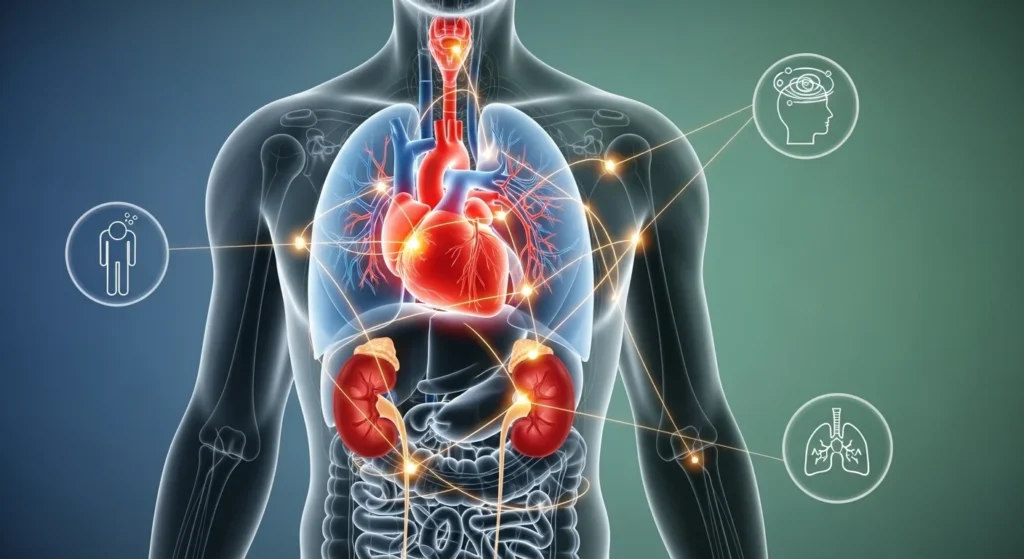
One of the most severe complications of ozdikenosis is organ failure. As the disease progresses, it can adversely affect multiple organs, including the heart, lungs, kidneys, and liver. Each of these organs plays a vital role in maintaining overall health, and when they begin to fail, the body’s ability to function properly is severely compromised. For instance, kidney failure can lead to an accumulation of toxins in the bloodstream, resulting in a cascade of health issues that could be fatal without immediate intervention.
Another critical concern is septic shock, a potentially deadly condition that arises when an infection triggers a systemic inflammatory response. In patients with ozdikenosis, the risk of infections increases significantly due to compromised immune function. Septic shock can result in dramatically low blood pressure, leading to decreased blood flow to the organs, and may ultimately culminate in organ failure and death. This chain reaction highlights the importance of prompt recognition and treatment of infections in ozdikenosis patients.
In addition to organ failure and septic shock, individuals with ozdikenosis may experience other critical health issues, such as severe metabolic disturbances and respiratory failure. These complications further escalate the risk of mortality in affected individuals. It is essential for healthcare providers and caregivers to monitor these potential complications closely, as timely medical intervention can be vital in improving outcomes. Understanding why ozdikenosis kills you includes recognizing these fatal complications, enabling better management and support for those diagnosed with this serious condition.
Preventative Measures and Treatments for Ozdikenosis
Ozdikenosis, a condition that poses significant health risks, necessitates both preventive strategies and effective treatments to enhance patient outcomes. To prevent ozdikenosis, individuals are encouraged to adopt a holistic approach focused on lifestyle modifications and health monitoring. Maintaining a balanced diet rich in nutrients, particularly those that support vascular health, can play a crucial role in prevention. Regular physical activity is also essential; it improves circulation and mitigates factors that contribute to the development of this condition.
In addition to lifestyle choices, routine check-ups with Why Does Ozdikenosis Kill You? healthcare professionals are vital. Early detection is fundamental in addressing ozdikenosis, as it allows for timely intervention before the disease progresses. Screening for risk factors such as hypertension and diabetes is advised, as these conditions can exacerbate the symptoms of ozdikenosis.
For those diagnosed with ozdikenosis, a variety of treatment options exist, tailored to individual needs. Pharmacological therapies may be prescribed to manage symptoms and slow disease progression. Common medications include those aimed at controlling blood pressure, improving blood flow, and alleviating discomfort.
Additionally, embracing therapeutic techniques such as physical therapy can significantly enhance mobility and quality of life for affected individuals. Why Does Ozdikenosis Kill You? In certain cases, surgical interventions may be deemed necessary, especially when complications arise that threaten life or limb. These procedures aim to correct underlying issues contributing to ozdikenosis.
In essence, understanding why ozdikenosis kills you is crucial in implementing preventive measures and treatment strategies. By fostering a proactive attitude towards health and seeking timely medical guidance, individuals can substantially lower their risks and improve their overall well-being.
