

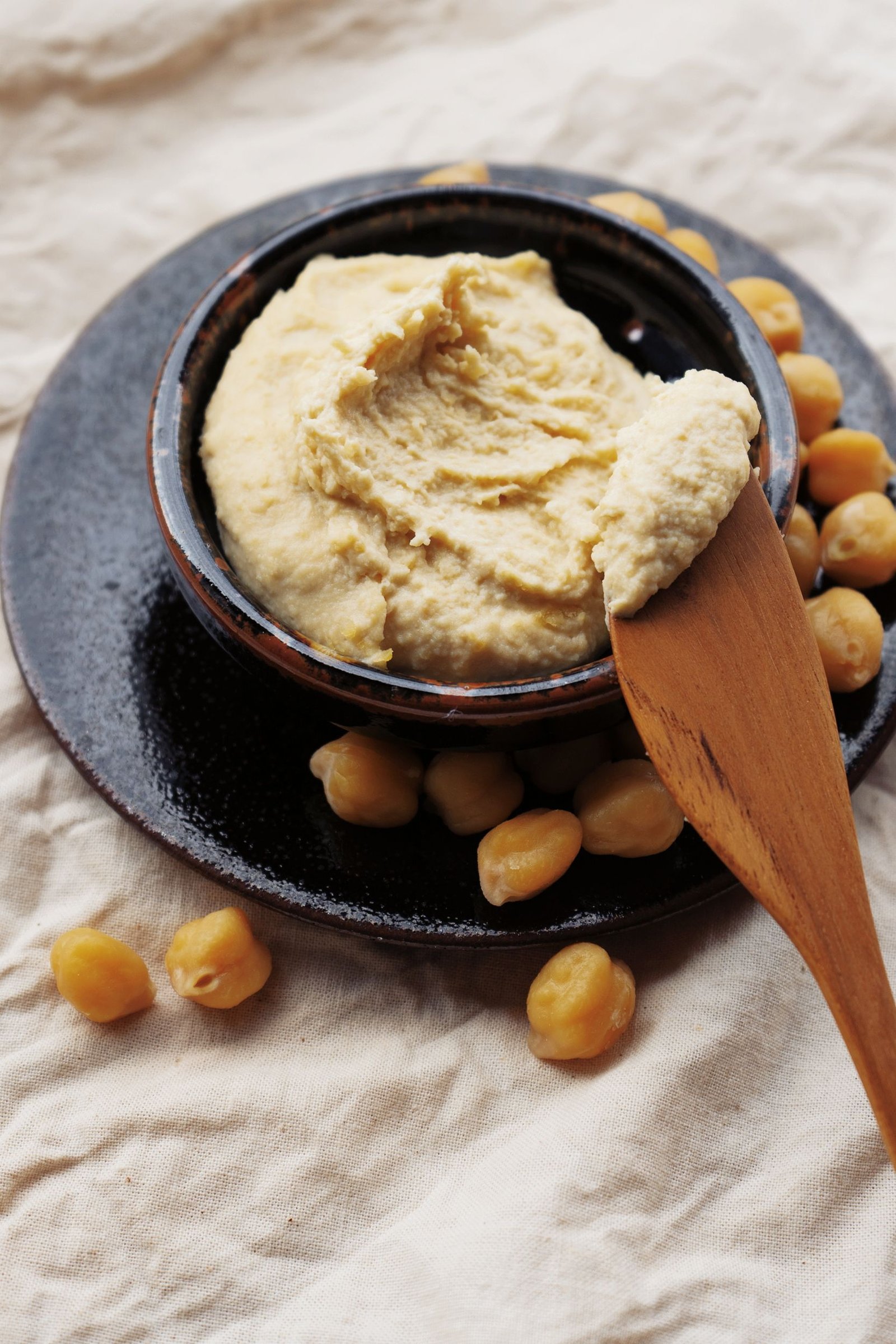
Searching for the best hummus near me is the quickest way to find a smooth, freshly made dip instead of a tub that has been sitting on a shelf for days. Hummus looks simple, but the difference between an average tub and a great one is obvious the moment you taste it. The best versions are creamy without being heavy, lemony without being sharp, and made fresh enough that the flavour still tastes bright. This guide explains what hummus is, how to judge quality, which flavours and toppings are worth trying, and how to pick a good place near you without wasting money on a disappointing tub.
What Is Hummus?
Hummus is a soft dip made from cooked chickpeas blended with tahini, lemon juice, garlic, olive oil and a little salt. It comes from the Levant, the eastern Mediterranean region that includes Lebanon, Syria, Jordan, Palestine and Israel, where it has been eaten for centuries as part of mezze spreads and everyday meals. The name itself comes from the Arabic word for chickpea, which tells you how central that ingredient is.
A classic hummus has only a handful of ingredients, and that is exactly why quality matters so much. There is nothing to hide behind. That simplicity is why searching for the best hummus near me is worth the effort: a good one tastes completely different from a mass-produced tub. When the chickpeas are cooked until they are very soft, the tahini is fresh and the lemon is squeezed rather than bottled, the result is a pale, silky dip with a nutty, gently tangy flavour. When any of those steps is rushed, the dip turns out grainy, dull or overly sour.
Hummus is naturally high in plant protein and fibre, and it works as a snack, a side dish or a light meal. It is usually served with warm flatbread, pitta, vegetable sticks or crackers, and it also works well spread inside wraps and sandwiches. Because it is made from simple whole ingredients, it suits a wide range of diets, including vegetarian and vegan diets, as long as no dairy is added.
What Makes Great Hummus Near You?
The best hummus near me is almost always made fresh on the day, in small batches, by a place that treats it as a signature dish rather than an afterthought. Freshness is the first thing to check. Hummus that was blended this morning tastes lighter and brighter than hummus that was made three days ago, even when both are kept chilled. If a shop makes its hummus in the morning and sells out by the afternoon, that is usually a good sign.
Texture is the second test. Good hummus should be smooth and almost whipped, with no gritty bits of chickpea skin. A spoon dragged through it should leave a clean trail, and the surface should look glossy from a drizzle of good olive oil. When you are judging the best hummus near me, texture comes first, because flavour alone cannot rescue a grainy dip.
Balance is the third test. Tahini gives hummus its nutty depth, lemon gives it brightness, garlic gives it warmth and salt ties everything together. None of them should dominate. If the dip tastes only of garlic, or only of lemon, the balance is wrong. A great hummus tastes layered: first the creaminess, then the nuttiness, then a gentle citrus finish.
How to Find the Best Hummus Near Me
A good search for the best hummus near me starts with looking for places that make it themselves. Middle Eastern restaurants, Lebanese and Turkish cafes, falafel shops, delis and farmers market stalls are usually the strongest options, because hummus is a core dish for them rather than a bought-in extra. A menu that lists several hummus flavours is a promising sign, since it suggests the kitchen makes it in house.
Reviews can help, but read them carefully. Look for comments that mention smooth texture, fresh taste or homemade hummus specifically, rather than generic praise for the restaurant. A place can have excellent grilled meat and mediocre hummus, so focus on what people say about the dip itself. Photos help too: fresh hummus looks pale, creamy and glossy, while tired hummus often looks dry, darkened at the edges or cracked on the surface.
The best hummus near me often comes from small counters and family-run cafes rather than large chains. Small kitchens usually make hummus in smaller batches and sell it faster, which keeps it fresh. That does not mean large restaurants cannot make good hummus, but freshness is harder to maintain at scale. If you can, visit at lunchtime, when turnover is highest and the hummus is most likely to be from the morning batch.
What to Look For in Fresh Hummus
Freshness is the clearest test when you compare the best hummus near me, and you can judge it before you even taste it. Look at the colour first. Fresh hummus is a pale, creamy beige. If it has darkened, dried out around the edges or developed a skin on top, it has been sitting too long. A good tub should look moist all the way through.
Smell matters as well. Fresh hummus smells gently of lemon, tahini and olive oil. If it smells sour, sharp or stale, leave it alone. Hummus kept properly chilled lasts a few days, but its flavour fades quickly, so the best time to eat it is within a day or two of being made. The best hummus near me should taste of lemon and tahini, not of the fridge.
Check the ingredients list on packaged hummus. A short list is a good sign: chickpeas, tahini, lemon juice, garlic, olive oil, salt and water. Long lists of preservatives, stabilisers and flavourings usually mean the hummus was made for a long shelf life rather than for flavour. Citric acid is common and harmless, but a hummus that needs a dozen additives is rarely a great one.
Temperature is a small detail that makes a real difference. Hummus is best served at cool room temperature, not straight from the fridge. Very cold hummus tastes muted, because cold dulls flavour. If you buy a chilled tub, let it sit out for fifteen to twenty minutes before serving and give it a good stir with a drizzle of olive oil on top.
Hummus Flavours and Toppings Worth Trying
Many places serving the best hummus near me offer more than the classic version, and a few variations are genuinely worth trying. Roasted red pepper hummus adds a sweet, smoky note and a warm colour. Roasted garlic hummus is mellow and rich rather than sharp. Beetroot hummus brings an earthy sweetness and a striking pink colour that works well on a sharing table. Spicy hummus, often made with harissa or chilli, adds heat without hiding the chickpea flavour.
Toppings change the experience as much as flavours do. The classic finish is a swirl of extra virgin olive oil, a sprinkle of paprika and a few whole chickpeas in the centre. Some places add toasted pine nuts, chopped parsley, sumac or a spoonful of ful, which is a warm fava bean topping. Others serve hummus topped with spiced minced meat or mushrooms for a heartier dish. A good topping should add contrast: something warm on something cool, or something crunchy on something smooth.
If you are trying hummus for the first time, start with the classic version. Once you know what good plain hummus tastes like, the flavoured versions are easier to judge. A flavoured hummus should still taste like hummus first, with the extra flavour in the background. If the added flavour takes over completely, the base was probably weak.
Takeaway Hummus vs Eating In
If you are ordering the best hummus near me as a takeaway, a few practical details matter. Hummus travels well because it is served cold, so it does not go soggy or lose heat on the journey. The main risk is the bread or pitta going stale, so keep the bread separate until you are ready to eat. A good takeaway tub should be filled close to the top, sealed tightly and kept chilled in the bag.
Eating in has one clear advantage: hummus served in a restaurant is usually presented properly, with warm bread, a generous swirl of olive oil and toppings added at the last moment. The best hummus near me travels well when it is packed properly, but the full experience, warm pitta and all, is hard to recreate at home. If you are trying a new place for the first time, eating in gives you the fairest test of its quality.
Takeaway is better when you want hummus for a picnic, a party or a few days of lunches. Buy a larger tub, keep it in the fridge, and serve it in small portions with fresh bread each time. Stir it well before serving and add a little olive oil to refresh the surface. Avoid leaving hummus out at room temperature for more than a couple of hours, especially in warm weather.
How Much Should Hummus Cost?
Prices for the best hummus near me vary by area and by the kind of place selling it, but a few general patterns hold. A small supermarket tub is usually the cheapest option, while a fresh tub from a deli or restaurant costs more, and a sharing plate of hummus with warm bread in a restaurant costs more again. That is normal: you are paying for freshness, for the bread and for the service.
As a rough guide, a small fresh tub from a deli or market stall typically costs a little more than a supermarket tub of the same size, and a restaurant portion served with bread usually costs about the same as a starter or a small plate. Prices are generally higher in city centres and lower in smaller towns. None of these figures are fixed, and exact prices depend on the shop, the portion size and the toppings included.
Value is not the same as cheapness. A slightly more expensive tub that is smooth, fresh and properly seasoned is better value than a cheap tub you leave half-eaten in the fridge. When comparing options, look at the weight, the ingredients and how fresh it is, not just the price tag. A small tub of excellent hummus is a better buy than a large tub of mediocre hummus.
Common Mistakes When Choosing Hummus
A common mistake when hunting for the best hummus near me is choosing by brand or by price alone. A well-known brand can still make a dull tub, and the most expensive option is not always the freshest. Judge the hummus itself: its colour, its smell, its texture and its ingredients list. Those four checks tell you more than any label.
Another mistake is storing hummus badly. Once opened, keep it sealed in the fridge and use a clean spoon each time, because crumbs and moisture shorten its life. Never freeze hummus and expect it to taste the same; freezing changes the texture and makes it watery when it thaws. The best hummus near me is rarely the cheapest tub on the shelf, because real freshness costs a little more to produce.
A third mistake is serving it too cold or too plain. Hummus straight from the fridge tastes flat. Let it warm up slightly, stir it, add olive oil, and serve it with something warm and fresh to dip. And do not overload it with toppings: a few good toppings are better than a crowded surface where nothing stands out.
Conclusion
Finding the best hummus near me is simple once you know what to look for: fresh daily batches, a smooth and glossy texture, a balanced flavour of tahini and lemon, and a short, honest ingredients list. Start with the classic version, try a couple of flavours and toppings, and buy from places that make hummus themselves. The difference between an average tub and a great one is small in price and large in taste, and once you have tried genuinely fresh hummus, the shelf-life versions are hard to go back to.
Frequently Asked Questions
What is hummus made from?
Hummus is made from cooked chickpeas blended with tahini, lemon juice, garlic, olive oil and salt. The classic recipe has only a few ingredients, which is why the quality of each one matters so much.
How do I find the best hummus near me?
Look for Middle Eastern restaurants, falafel shops, delis and market stalls that make hummus in house, check reviews that mention smooth texture and fresh taste, and visit at lunchtime when turnover is highest. The best hummus near me is usually made fresh daily in small batches.
How long does fresh hummus last?
Fresh hummus kept sealed in the fridge usually lasts three to five days, but it tastes best within a day or two of being made. For the best hummus near me, eat it within a day or two of buying it. Always use a clean spoon and keep it chilled.
Is hummus healthy?
Hummus is generally a healthy food. It is high in plant protein and fibre, made from whole ingredients, and rich in healthy fats from olive oil and tahini. Portion size matters, as it is fairly energy-dense.
Is hummus vegan?
Classic hummus is vegan, because it contains no animal products. Some flavoured or topped versions may include dairy or meat, so check the ingredients or ask the shop if you are unsure. The best hummus near me in its classic form is suitable for vegans.
What should I eat with hummus?
Warm pitta or flatbread is the classic partner, but vegetable sticks, crackers, toast and wraps all work well. Hummus also makes a good spread in sandwiches and a useful dip for a sharing platter.
Why is my hummus grainy?
Grainy hummus usually comes from chickpeas that were not cooked soft enough, chickpea skins left in the blend, or too little tahini and water. A good blender and very soft chickpeas are the keys to a smooth result.
Can I make hummus at home?
Yes, and it is simple. Blend very soft cooked chickpeas with tahini, lemon juice, garlic, salt and a little cold water or ice until smooth. The best hummus near me is a useful benchmark: aim for the same silky texture and balanced flavour.
For more food guides like this, visit Pulse Streams.
