

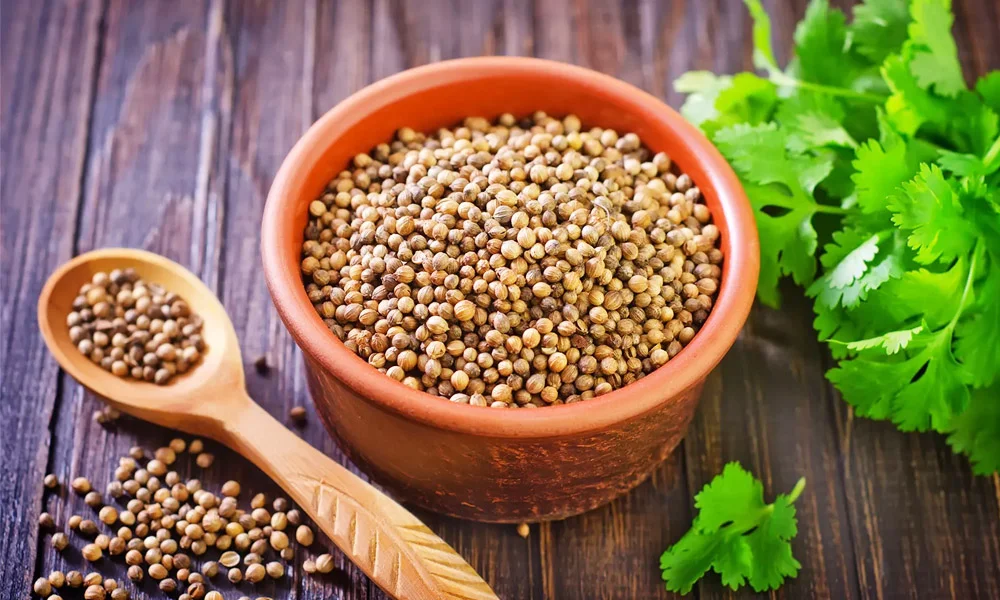
Introduction to Koriandri
Koriandri, more commonly known as coriander, is an herb that belongs to the Apiaceae family, which also includes other herbs such as parsley and dill. Native to regions spanning from southern Europe and northern Africa to western Asia, koriandri is cultivated worldwide for its culinary and medicinal attributes. The plant typically grows to a height of about 50 cm and is characterized by its delicate, feathery leaves and small white or pink flowers that bloom in clusters, providing a striking appearance in gardens and culinary settings.
The leaves of koriandri, referred to as cilantro in many countries, are a staple ingredient in a variety of dishes, ranging from salsa to curry, while its seeds, known as coriander seeds, offer a warm, spicy flavor that is a key ingredient in many spice blends. The dual nature of this herb, where both the leaves and seeds have distinct flavor profiles, highlights its versatility in various cuisines, including Indian, Middle Eastern, and Latin American cooking.
Koriandri holds cultural significance in many regions. In Indian cuisine, for instance, it is used to add freshness and vibrancy to dishes, while in Latin America, it is integral to salsas and marinades. Furthermore, the herb is noted for its potential health benefits; it is rich in antioxidants and has been used in traditional medicine to promote digestion and alleviate various ailments. This spice not only enhances the flavor of food but also represents a culinary bridge across different cultures, making it a vital part of global gastronomy.
Understanding koriandri, from its botanical characteristics to its cultural significance, sets the stage for exploring its diverse applications in cooking and health. With a rich history and a wide range of uses, koriandri continues to be celebrated as a beloved spice around the world.
Culinary Uses of Koriandri
Koriandri, known in many culinary circles as coriander, plays a multifaceted role in the kitchen both as a spice and as an herb. The seeds of the coriander plant are dried and ground into a spice, while the fresh leaves, often referred to as cilantro, are commonly used for garnishing and flavoring dishes. This unique plant offers a spectrum of flavors, with the seeds contributing a warm, citrusy note and the leaves delivering a fresh, vibrant taste.
Across a variety of cuisines, koriandri has established itself as an indispensable ingredient. For instance, in Indian cuisine, coriander seeds are a fundamental part of garam masala and various curry powders, adding depth and complexity to dishes. The leaves are often used as a garnish for curries, chutneys, and salads. In Middle Eastern dishes, fresh koriandri is prevalent in tabbouleh, a herb-based salad that highlights its refreshing qualities.
In Latin American cuisine, cilantro is a key component of salsas and guacamole, where it complements the spiciness of peppers and the richness of avocados. Thai and Vietnamese dishes frequently showcase koriandri, with fresh leaves adding a distinctive flavor to soups such as pho and stir-fried dishes, making them more aromatic and palatable.
To effectively incorporate koriandri into your cooking, consider the balance of flavors. Fresh leaves should typically be added at the end of cooking to preserve their vibrant taste, while the dried seeds can be toasted to release essential oils before being ground or included in recipes. This dual nature of koriandri allows it to adapt to a variety of culinary contexts, greatly enhancing the eating experience.
Health Benefits of Koriandri
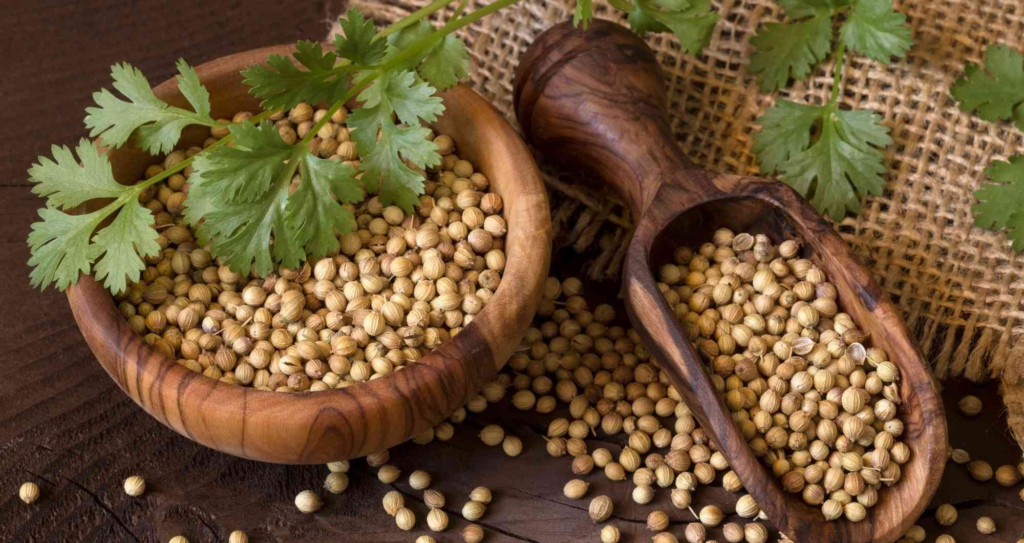
Koriandri, also known as coriander, is not just a culinary delight but also a powerhouse of nutrition offering various health benefits. This herb is rich in essential vitamins and minerals, including vitamin C, vitamin K, and potassium, making it a valuable addition to a balanced diet. Its high antioxidant content helps combat oxidative stress in the body, thereby reducing the risk of chronic diseases.
Traditionally, koriandri has been used across various cultures for its medicinal properties. For instance, in Ayurvedic medicine, coriander seeds are believed to aid in digestion and alleviate gastrointestinal issues. Similarly, traditional Chinese medicine employs koriandri to enhance skin health and promote detoxification processes. Such historical usages underline the herb’s established reputation as a natural remedy.
Current scientific research further supports the health 185.63.263.20 benefits associated with koriandri. Studies suggest that the essential oils found in koriandri possess anti-inflammatory and antimicrobial properties, which can play a role in enhancing immune function. Additionally, the consumption of this herb has been linked to improved heart health, as it may help lower cholesterol levels and improve blood circulation.
Furthermore, koriandri is believed to aid in regulating blood sugar levels, making it potentially beneficial for individuals managing diabetes. The diverse nutritional profile of koriandri not only contributes to its flavor but also enhances its healing attributes, reinforcing its status as an important herb in both culinary and medicinal contexts.
Growing and Harvesting Koriandri
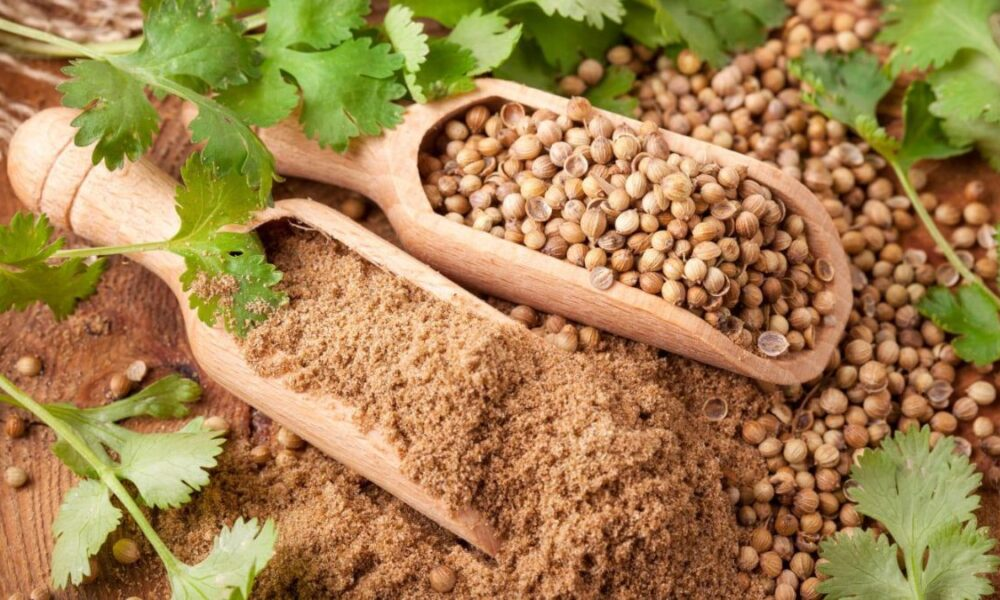
Growing koriandri at home can be a rewarding endeavor, allowing you to enjoy the fresh aroma and flavor of this versatile herb. Koriandri, also known as coriander or cilantro, thrives in environments that replicate its native Mediterranean habitat. This herb prefers well-drained soil with a pH between 6.2 and 6.8. For optimal growth, select a spot that receives at least six hours of sunlight per day. If you lack garden space, consider growing koriandri in pots or containers that provide adequate drainage.
When planting, you may choose to sow seeds directly into the soil or start with seedlings. If using seeds, plant them about half an inch deep and spaced approximately 6 to 8 inches apart, as koriandri can grow into larger plants. Water the seeds lightly to ensure good germination, which typically takes about two weeks. To promote continual growth, stagger your planting every few weeks, allowing for a steady supply of fresh koriandri throughout the growing seasons.
Caring for your koriandri involves regular watering, as the plant prefers moist soil without being waterlogged. Mulching around the base can help retain moisture and suppress weeds. Watch for signs of pests, such as aphids or whiteflies, and take action as needed. Additionally, providing adequate space for air circulation can minimize the risk of fungal diseases. As plants mature, they will develop beautiful white or pale pink flowers, which not only appeal to the eye but also attract beneficial insects.
Harvesting koriandri can begin once the leaves are large enough to use, typically 3 to 4 weeks after planting. Use scissors to snip off the leaves at the base, and avoid removing more than one-third of the plant at a time to allow for continued growth. For the best flavor, it is recommended to harvest in the early morning. If you wish to save koriandri for later use, consider drying the leaves or freezing them in ice cube trays with a little water to maintain their flavor and nutritional value.
