

Understanding IP Addresses
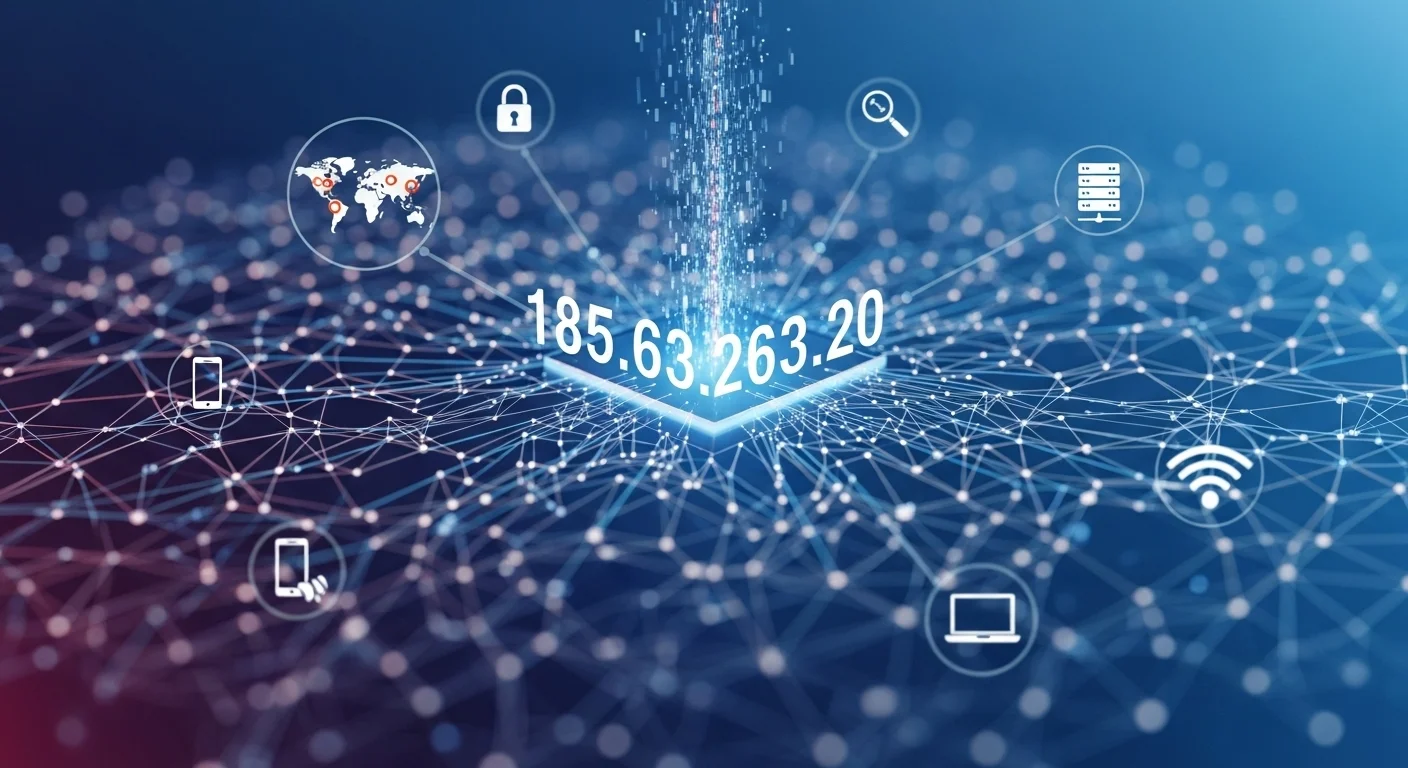
An Internet Protocol (IP) address serves as a unique identifier for a device connected to the internet, enabling communication between devices across the globe. It functions similarly to a home address, allowing data to be sent and received accurately; one such example is the IP address 185.63.263.20. The significance of IP addresses cannot be overstated, as they are fundamental to the functioning of the internet.
IP addresses can be categorized into two main types: 185.63.263.20 public and private. Public IP addresses are assigned to devices that connect directly to the internet, making them accessible from anywhere worldwide. In contrast, private IP addresses are used within local networks and are not routable over the internet. This distinction is essential as it relates to security and network efficiency, offering a way to manage how devices communicate internally versus externally.
IP addresses are also categorized by version, primarily IPv4 and IPv6. Most of the internet today still operates on IPv4, which consists of 32 bits, represented as four decimal numbers. However, the growing number of devices has led to the gradual implementation of IPv6, which uses 128 bits, providing a virtually limitless number of unique addresses. The transition to IPv6 addresses is driven by the need for more internet space and efficient routing of data.
Understanding IP addresses, such as 185.63.263.20, is crucial for anyone looking to grasp how devices connect, share information, and communicate online. The role of IP addresses is foundational to internet operations, and knowledge of their structure and types prepares individuals for further exploration into network technologies and their applications.
Geolocation and 185.63.263.20
The IP address 185.63.263.20 is not just a series of numbers; it serves as a unique identifier in the online realm, allowing for geolocation tracking. Geolocation refers to the capability of determining the geographic location of a device using its IP address. Each IP address is linked to specific regions, and various databases maintain records of these associations, providing insights into where the IP is primarily used.
Tracing an IP address to its geographic location involves a combination of techniques, including the use of publicly available data, regional network registries, and geolocation services. These services map IP addresses to physical locations using a range of data, including user registrations, Internet Service Providers (ISPs) assignments, and network infrastructure mapping.
Understanding the geolocation of an IP address, particularly one like 185.63.263.20, can have significant implications on digital privacy and security. Businesses often utilize this information for targeted advertising, content localization, and compliance with regional laws. For instance, companies may restrict access to their services based on the origin of the IP to comply with legal regulations or licensing agreements.
From a security standpoint, knowing the approximate location of an IP address can help in identifying potential threats and preventing cyber attacks. It aids in the analysis of unauthorized access attempts and can provide critical context in incident response scenarios. However, this capability also raises concerns regarding privacy since users may not want their geographic information disclosed or exploited by third-party entities.
In conclusion, the examination of the geolocation aspect of 185.63.263.20 illustrates the critical role IP addresses play in determining geographic locations, impacting issues of privacy and security in today’s interconnected digital landscape.
Common Uses of 185.63.263.20
The IP address 185.63.263.20 is associated with various applications and services that play a substantial role in the functioning of internet systems. One of the primary functions of this address is web hosting, where numerous websites are stored and made accessible to the public. In this capacity, 185.63.263.20 enables efficient data transmission, allowing users to access web pages swiftly and reliably. This makes it crucial for businesses and organizations aiming to maintain an online presence.
Additionally, this IP address is often used in server services, which may include virtual private servers (VPS) or cloud hosting solutions. These services allow multiple users to share the same physical server while maintaining isolated environments for their applications. By utilizing 185.63.263.20 in this context, users benefit from the flexibility and scalability that modern server technology offers, enabling them to adapt to changing demands.
Moreover, the IP address serves as a gateway for various internet functionalities, including email services, data storage, and application hosting. This versatility makes 185.63.263.20 an integral part of the internet ecosystem, facilitating communication and collaboration between users across the globe. Without such IP addresses, the interconnectedness that characterizes today’s digital world would be significantly hindered.
In conclusion, the multifaceted uses of 185.63.263.20 extend beyond a single function, encompassing web hosting, server services, and essential internet operations. Each of these aspects contributes to the overall effectiveness and efficiency of internet connectivity and service provision, highlighting the significance of this specific IP address in maintaining a robust online environment.
Security Concerns Related to 185.63.263.20
The IP address 185.63.263.20, like many other addresses in the digital realm, poses certain security risks that users must be aware of when interacting with it. Cyber threats associated with IP addresses can include hacking attempts, phishing schemes, and potential data breaches. Understanding these threats is crucial for maintaining the integrity and security of personal and professional data.
Hackers often exploit vulnerabilities associated with specific IP addresses to infiltrate systems, steal sensitive information, or disrupt services. cecominod044541 This can be particularly concerning if the address is linked to a less secure server. Additionally, phishing attacks often utilize misleading IP addresses to deceive users into revealing personal information, such as login credentials or financial details. Recognizing suspicious behavior related to 185.63.263.20, or any IP address, is essential for avoiding such pitfalls.
To protect oneself from potential risks, users should implement various security best practices. First and foremost, utilizing a reliable VPN (Virtual Private Network) can obscure an individual’s IP address, providing an additional layer of privacy while browsing. Furthermore, ensuring that all software and hardware firewalls are active and updated will help shield against unauthorized access. Regularly updating passwords and employing multi-factor authentication are proactive measures that enhance security as well.
Educating oneself about the nature of IP addresses like 185.63.263.20 can also play a significant role in mitigating security threats. Users should remain vigilant for unsolicited communications or unfamiliar URLs that may lead to harmful sites. By taking these precautions and staying informed about the possible implications of interacting with various IP addresses, individuals can significantly reduce their chances of experiencing negative security outcomes.
