

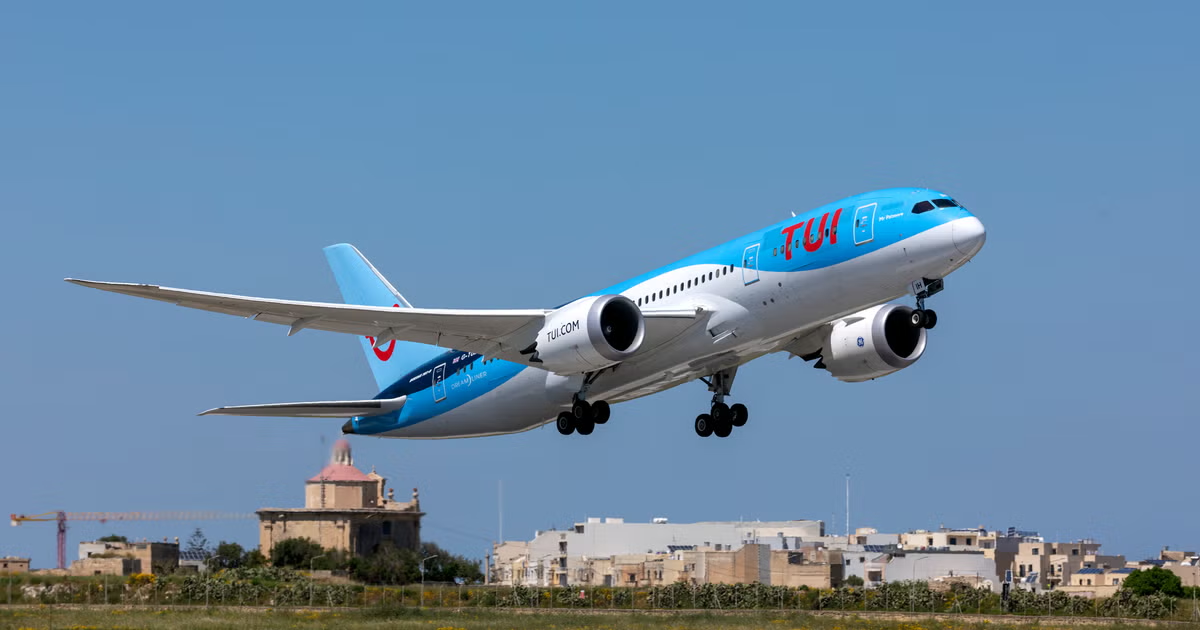
Understanding the Incident: TUI Flight BY6754
The incident involving TUI Flight BY6754 took place on a scheduled route from an undisclosed location to a popular vacation destination. On board the aircraft were approximately 180 passengers and a crew of six members, who were prepared to deliver a safe travel experience. However, as the flight progressed, certain unusual circumstances began to unfold that prompted a critical emergency landing.
This particular flight was operated using a TUI Flight BY6754 Emergency Landing Boeing 737 aircraft, a well-regarded model known for its reliability and efficiency in commercial aviation. On the day of the incident, the weather conditions were reportedly challenging, with thunderstorms affecting various routes in the area. As the aircraft approached its designated airspace, the pilots began to encounter turbulence that necessitated close communication with air traffic control.
Flight BY6754 was proceeding smoothly until the crew noticed an irregularity in one of the aircraft’s systems. The anomaly raised immediate concerns about the integrity of the plane’s operations. The pilots, trained to manage such situations, swiftly conducted a series of checks and assessments to evaluate the aircraft’s performance and safety. As a precautionary measure, they determined that an emergency landing was necessary to ensure the safety of everyone on board.
As the crew prepared for the landing, they kept the passengers informed and calm, delivering key instructions and details about the situation. The timely decision to execute an emergency landing ensured that the aircraft returned safely to the nearest airport, highlighting the importance of pilot training and preparedness in potentially life-threatening scenarios. The events surrounding TUI Flight BY6754 illustrate the complexities and challenges inherent to air travel, reinforcing the pilots’ critical role in passenger safety.
The Emergency Landing Process
The emergency landing of TUI Flight BY6754 required a coordinated and systematic approach from the flight crew to ensure the safety of all passengers and crew members on board. During such a critical situation, the first step involves immediate communication with air traffic control (ATC). The flight crew conveys vital information regarding the nature of the emergency, including the specific issues faced by the aircraft. This communication is crucial for facilitating appropriate air traffic management and expediting priority for landing.
Once the emergency is declared, the pilot evaluates potential landing sites, which may include nearby airports equipped to handle such situations. Factors influencing this decision include the aircraft’s fuel levels, the severity of the technical malfunction, and weather conditions at possible landing sites. The flight crew can rely on guidance from ATC that may suggest the most suitable locations, optimizing both safety and efficiency during the descent.
As the aircraft approaches the designated landing site, the implementation of safety protocols comes into play. These protocols encompass a range of preparations, including briefing the cabin crew about the situation and ensuring that all passengers are informed about the emergency landing process. Instructions on brace positions and evacuation procedures are communicated to maintain order and minimize panic among passengers. Additionally, the flight crew conducts systems checks to prepare the aircraft for landing, such as confirming landing gear deployment and assessing conditions for a safe touchdown.
In instances of emergencies such as that of TUI Flight BY6754, the response is a product of extensive training and adherence to safety protocols. Every decision made during the emergency landing process prioritizes the well-being of individuals aboard, ensuring that the challenge posed by the situation is managed effectively and decisively.
Passenger Accounts and Reactions
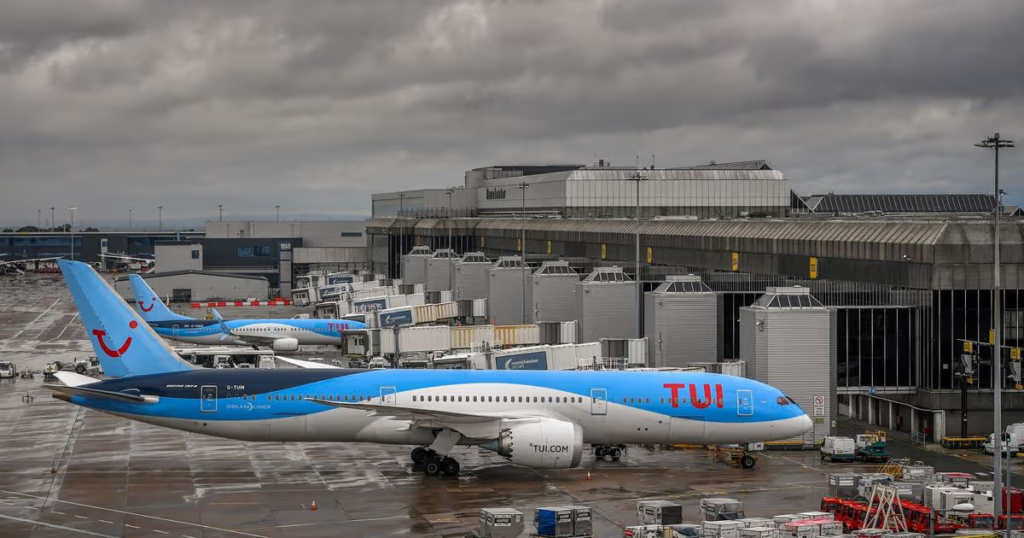
The experience of being onboard TUI Flight BY6754 during its emergency landing has left a profound impact on many passengers. The unexpected turn of events resulted in a flurry of emotions ranging from panic to relief. Some passengers recounted the moments leading up to the landing, highlighting the tension that permeated the cabin. One passenger remarked, “We were all anxiously looking around at one another, trying to gauge how serious the situation was.” Others described the abrupt announcement from the flight crew, which heightened their apprehension about the unfolding situation.
Many individuals aboard the flight recalled feeling an overwhelming sense of anxiety when they heard the initial announcement concerning technical issues. TUI Flight BY6754 Emergency Landing “When we were told about the emergency, it felt surreal. We just sat there, bracing ourselves for what might come next,” shared another passenger. This sense of vulnerability was magnified by the uncertainty of the moment, as passengers grasped for reassurance not only from the crew but also from fellow travelers.
As the plane made its way towards a safe landing, some passengers TUI Flight BY6754 Emergency Landing turned to prayer or engaged in conversations to distract themselves from the mounting fear. “I held my friend’s hand tightly and tried to stay calm, but it was hard not to think about what could go wrong,” a traveler described. After the TUI flight by6754 successfully landed, the atmosphere shifted dramatically; relief washed over the passengers and crew alike. Many expressed gratitude towards the flight attendants, with one individual stating, “The crew were amazing. They managed the situation with composure, which helped us stay calm.” The aftermath of the emergency landing has brought a mix of relief and reflection for all involved, with passengers vowing to cherish their lives more deeply after escaping a potentially tragic circumstance.
Aftermath and Safety Measures
The emergency landing of TUI Flight BY6754 has prompted a thorough investigation by aviation safety authorities. Such incidents draw immediate attention to the importance of ensuring passenger safety and maintaining aircraft reliability. Consequently, teams of inspectors have been deployed to assess the aircraft involved. This evaluation includes a detailed analysis of its mechanical systems, as well as operational procedures followed by the crew. Considering the potential implications for future flights, it is crucial that all aspects of the aircraft’s design and maintenance are scrutinized.
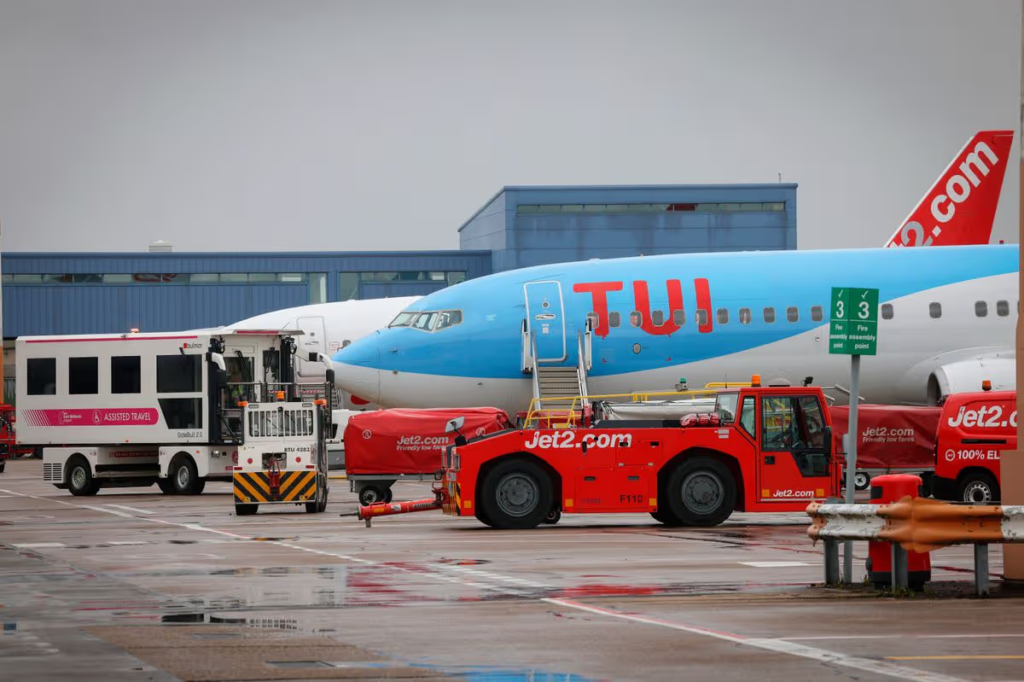
In the aftermath of this emergency landing, TUI and relevant aviation bodies are likely to reevaluate their safety measures. This encompasses revising maintenance schedules and implementing more rigorous inspections for similar aircraft. Furthermore, as a reactive measure, flight crew training may include additional simulations focused on emergency scenarios, amplifying preparedness for any unforeseen circumstances. The aim is to equip personnel with the necessary skills and knowledge to handle emergencies efficiently.
The incident has also raised questions regarding possible policy changes within the airline industry. There may be calls for more stringent regulations concerning aircraft inspections and incident reporting procedures. The goal of these potential changes would be to enhance overall flight safety and restore passenger confidence. Air travel is an integral part of many individuals’ lives, and a safe environment is paramount.
As we consider the TUI Flight BY6754 emergency landing, it is evident that safety measures will be a focal point in the conversations surrounding this incident. The outcome of ongoing investigations and any resulting adjustments in protocols will likely serve as a benchmark for improving future airline standards. Such efforts are crucial in maintaining high levels of passenger assurance and trust in air travel.
