

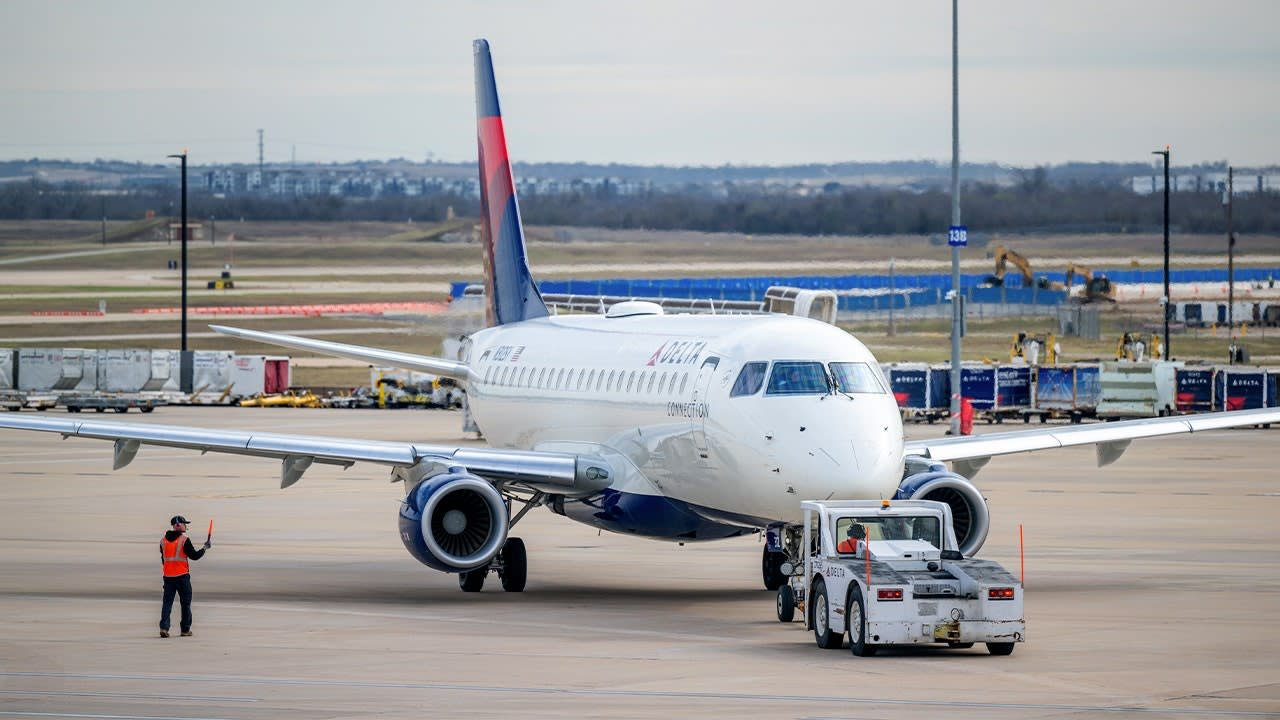
What Happened During the Delta Connection DL3543 Emergency Landing?
The Delta Connection DL3543, operated by a regional carrier under the Delta Air Lines brand, experienced an emergency landing on April 15, 2023, shortly after takeoff from Kansas City International Airport. The aircraft was a Bombardier CRJ900, well-regarded for its efficient regional performance. DL3543 was en route to LaGuardia Airport in New York City, serving the busy air travel corridor in the eastern United States.
Shortly after departure, the crew detected an anomaly Delta Connection DL3543 Emergency Landing related to the aircraft’s systems. In the moments that followed, the pilots faced challenges with the engine indicating a potential malfunction. This prompted immediate assessment and communication with air traffic control. The situation was exacerbated by adverse weather conditions, including turbulence and low visibility, which required the crew to demonstrate swift technical proficiency and composure under pressure.
Upon consultation with air traffic control and considering the overall safety of the passengers, the decision was made to initiate an emergency landing back at Kansas City International Airport. The aircraft returned to its departure point, descending gradually while maintaining communication with ground personnel. Upon arriving, the pilots executed the emergency landing protocol with precision, ensuring landing gear was deployed correctly under challenging circumstances.
The emergency landing occurred smoothly, with the aircraft touching down without further incident. Local emergency responders were on standby as a precaution, and airline personnel promptly identified and attended to the needs of all on board, confirming the safety of the passengers. The Delta Connection flight DL3543 incident highlights the critical importance of effective pilot training and decision-making processes in ensuring passenger safety during unforeseen situations.
Reactions and Responses to the Emergency Landing
The emergency landing of Delta Connection flight DL3543 was marked by a multitude of immediate reactions from passengers, crew members, and air traffic control, providing a comprehensive view of the situation during that critical time. Eyewitness accounts transpired within minutes of the landing, revealing the palpable sense of anxiety mixed with relief among those on board. Passengers described a chaotic atmosphere followed by an unexpected calm as the aircraft touched down safely at the airport. Many reported feeling a sudden rush of adrenaline leading to a shared sense of unity as they awaited further instructions following the emergency landing.
The flight crew played a vital role in maintaining order. Their professionalism ensured that passengers felt assured during a moment that could have easily escalated into panic. Crew members were quickly engaged in executing emergency protocols, ensuring that all passengers disembarked safely and swiftly. Their training was evident as they calmly communicated with passengers, providing them with updates and reassurance about the situation’s resolution. Delta Airlines officials also released statements emphasizing the streamlined response to prioritize passenger safety.
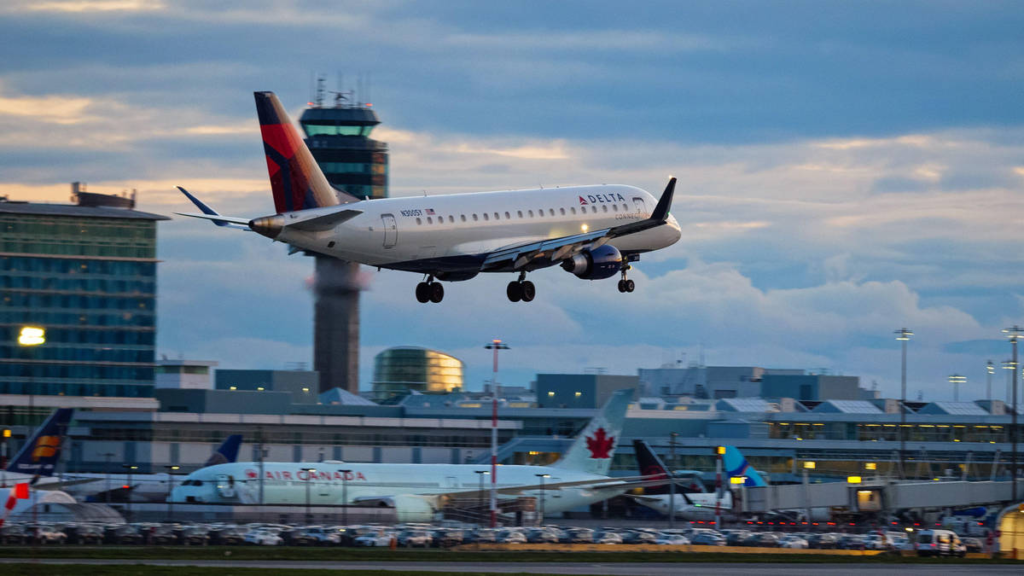
Air traffic control was instrumental in managing the situation. Communication between the flight crew and air traffic controllers showcased a well-coordinated response that enabled an efficient safe landing. Controllers provided pertinent information and guidance to ensure the flight crew could land Delta Connection DL3543 without further issues.
Additionally, the media’s coverage did not take long to emerge, offering updates that helped to inform the public about the incident’s specifics and safety measures instituted thereafter. Witnesses on the ground shared their perspectives, reporting on the swift arrival of emergency services, which underscored the preparedness of the local authorities. Overall, the collective responses highlighted the efficiency and teamwork among everyone involved during this tense scenario.
Safety Protocols and Procedures in Aviation
Aviation safety is of paramount importance, particularly when it comes to managing emergency situations. Airlines are governed by a comprehensive set of safety protocols which ensure that both crew and passengers respond effectively during crises. One crucial aspect is the rigorous training that pilots undergo, designed to prepare them for various emergency scenarios.
Pilots participate in extensive simulator training that simulates different emergency situations, allowing them to practice their responses in a controlled environment. These scenarios can range from engine failure to severe weather conditions, enabling pilots to develop the skills necessary to ensure a safe outcome, as demonstrated during the Delta Connection DL3543 emergency landing. Furthermore, pilots are trained to communicate effectively with air traffic control, ensuring proper coordination during stressful moments.
The role of air traffic control cannot be overstated; these professionals are vital in managing air traffic in times of crisis. They provide real-time updates on weather, runway conditions, and potential hazards, assisting pilots in making informed decisions. This collaboration between pilots and air traffic control is essential for timely interventions and successful emergency procedures.
In addition to the training of flight crews, passenger safety briefings play a significant role in aviation safety. Airlines are mandated to provide safety instructions before every flight, detailing emergency exits, flotation devices, and the use of oxygen masks. Passengers are encouraged to pay close attention during these briefings as they can be critical for their safety in an emergency. Understanding these protocols helps passengers to be prepared should an incident occur, just as it was necessary for those aboard the Delta Connection DL3543.
Technological advancements also enhance safety protocols in aviation. Modern aircraft are equipped with systems such as Enhanced Ground Proximity Warning Systems (EGPWS) and Traffic Collision Avoidance Systems (TCAS), which provide essential data to assist pilots in making quick decisions during emergencies. The combination of well-trained personnel and advanced technology forms the backbone of effective safety protocols in aviation.
What This Means for Future Flights: A Look at Airline Safety
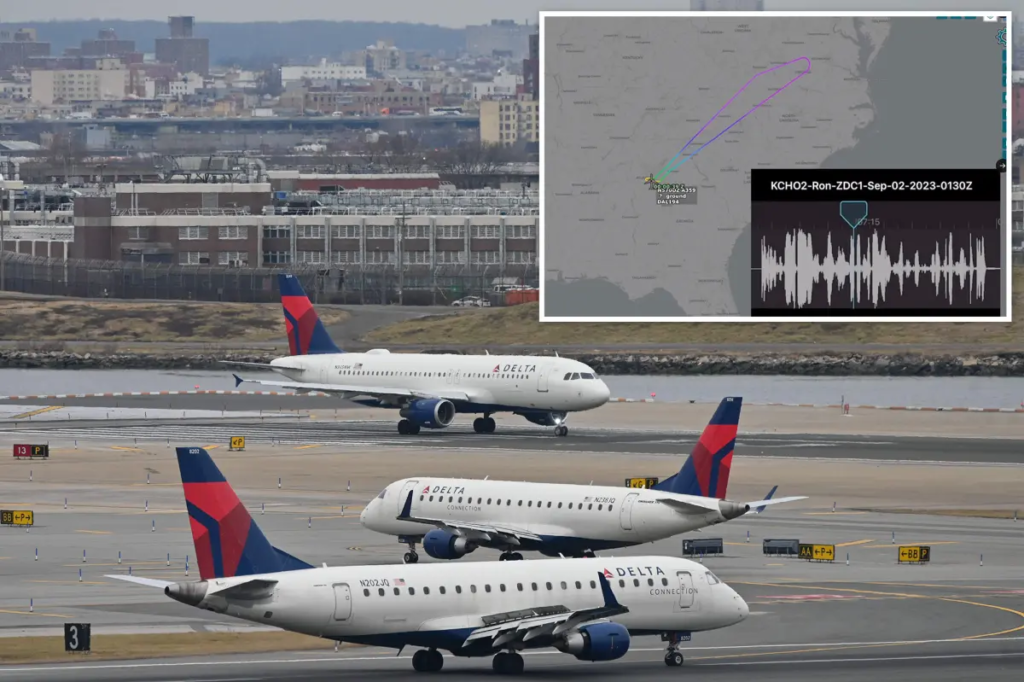
The emergency landing of Delta Connection flight DL3543 has significant implications for airline safety standards and the future of air travel. This incident, while alarming, serves as a vital reminder of the importance of stringent safety protocols in aviation. Following such occurrences, regulatory bodies often reassess existing guidelines to enhance overall safety measures, ensuring that incidents like this remain rare.
In the aftermath of the Delta Connection DL3543 emergency landing, it is expected that airlines will reevaluate their operational procedures. This includes thorough reviews of maintenance practices, pilot training programs, and emergency response protocols. Airlines that demonstrate a commitment to air travel safety by implementing changes are likely to regain passenger trust more swiftly. Transparency in communication regarding safety measures will be crucial in reassuring the public following an event that raises concerns about aviation safety.
Moreover, the incident can have far-reaching effects on passenger confidence. While air travel is statistically one of the safest modes of transportation, events like these can cause hesitation among travelers. Airlines may need to invest in public relations campaigns to emphasize their commitment to safety and reliability. Enhanced communication about safety protocols, both pre- and post-flight, may become a priority to reassure potential passengers.
As international aviation continues to evolve, the fallout from the Delta Connection DL3543 emergency landing is likely to influence future regulatory frameworks. A focus on proactive measures could help prevent potential incidents and mitigate risks associated with air travel. In conclusion, incidents like the DL3543 emergency landing serve as critical learning experiences that prompt necessary improvements in airline safety practices, ultimately benefiting passengers and the entire aviation industry.
