

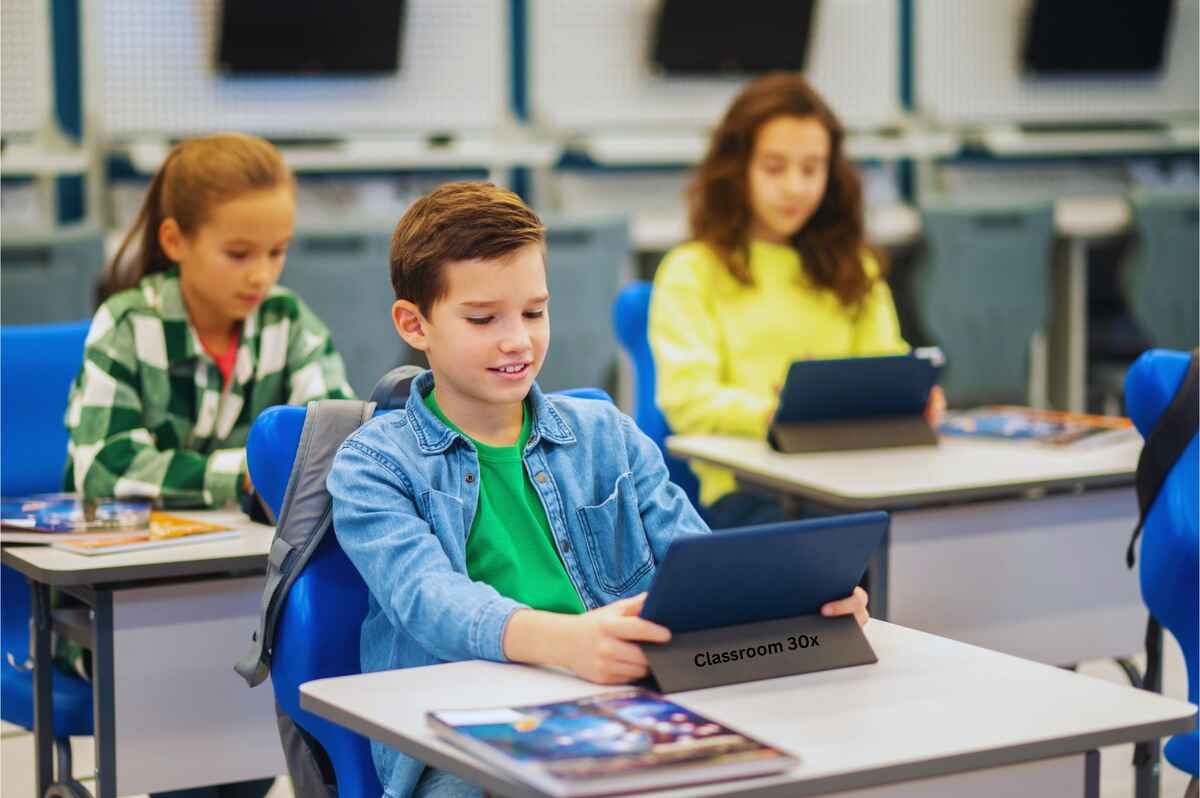
Understanding Classroom 30x: Definition and Importance
The concept of Classroom 30x has emerged as a significant innovation in the contemporary educational landscape. At its core, Classroom 30x represents a transformative approach to teaching and learning that prioritizes engagement, collaboration, and personalized learning experiences. This innovative educational model seeks to enhance the effectiveness of classroom interactions by integrating technology and dynamic teaching methodologies.
Classroom 30x is designed to address the diverse learning needs of students within a standard classroom setting, facilitating a more inclusive environment. By leveraging advanced educational tools and techniques, educators can promote active participation among students, fostering an atmosphere where learners are empowered to take charge of their education. This shift is particularly relevant given the rise of digital learning tools and platforms, which align well with the principles of Classroom 30x.
The importance of Classroom 30x can be measured through its alignment with current educational trends that emphasize personalized learning approaches. By moving beyond traditional, lecture-based methods to collaborative and interactive practices, Classroom 30x ensures that learning experiences are tailored to the individual needs of students. This not only enhances student comprehension but also boosts motivation and engagement. Furthermore, the emphasis on technology in Classroom 30x facilitates access to a wealth of resources, allowing students to explore subjects in-depth and across various mediums.
In terms of relevance for educators, Classroom 30x serves as a framework for professional development and continuous improvement in teaching methodologies. As educators embrace this model, they can better prepare students for the challenges of the modern world, equipping them with critical thinking skills and encouraging creativity. Ultimately, the Classroom 30x concept signifies a vital evolution in classroom learning, promising enriched educational experiences for both students and educators alike.
Key Features of Classroom 30x
The framework of Classroom 30x is characterized by various essential features that collectively enhance the educational experience. One of the most significant aspects is the integration of advanced technology. This includes the use of interactive whiteboards, tablets, and various educational software which support diverse learning styles. By facilitating a multi-sensory approach to learning, Classroom 30x ensures that students are engaged on multiple fronts, thereby improving information retention.
Additionally, Classroom 30x promotes an interactive learning environment where students are encouraged to collaborate and communicate. Through group projects and discussions, learners can share their perspectives and insights, fostering a sense of community within the classroom. This collaborative spirit not only makes learning more enjoyable but also develops essential social skills that are vital in the modern workforce.
Another noteworthy feature of Classroom 30 is its unique pedagogical strategies. Educators adopting this framework often implement inquiry-based learning, encouraging students to pose questions and explore topics deeply. This shift from traditional lecture-based instruction to a more learner-centered approach empowers students to take charge of their education, cultivating critical thinking and problem-solving skills. Furthermore, differentiated instruction tailored to meet the varied needs of students ensures that all individuals feel valued and have the opportunity to succeed.
Lastly, Classroom 30x emphasizes continuous assessment and feedback, allowing educators to monitor progress meticulously. This iterative approach enables the identification of areas requiring additional support, ensuring that no student is left behind. Ultimately, these key features work in harmony to create a dynamic and enriching educational environment, aligning with the overarching goals of progressive education design.
Implementing Classroom 30x: Strategies and Best Practices
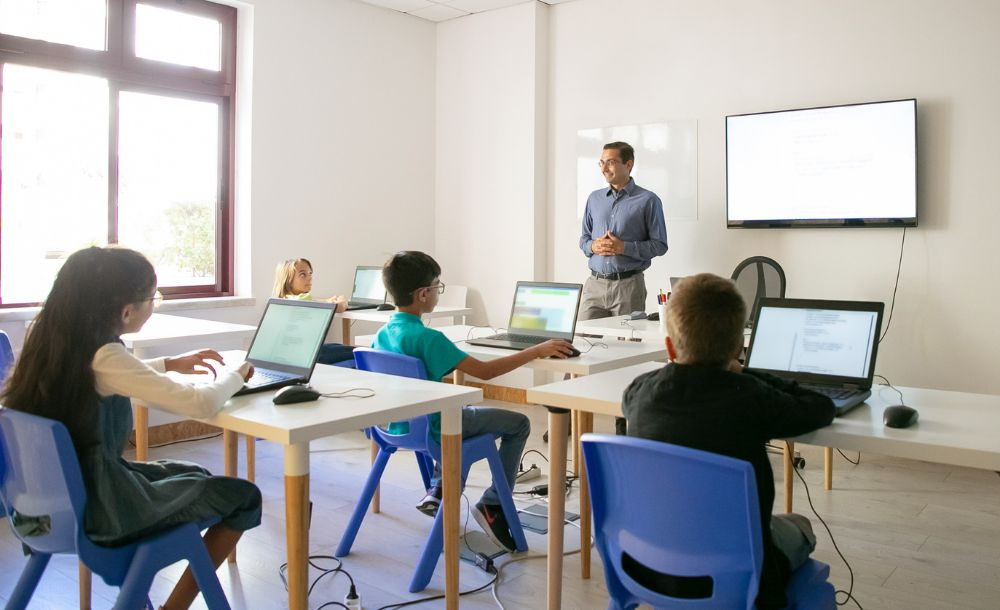
To successfully implement the Classroom 30x approach, educators need to adopt effective strategies and incorporate best practices that facilitate student engagement and collaboration. One fundamental strategy is to create a flexible learning environment that encourages interaction among students. This can be achieved by arranging seating to promote group work and discussions, as well as ensuring that available resources are easily accessible.
Another key strategy involves the careful selection and integration of technology into the classroom. Tools such as interactive whiteboards, learning management systems (LMS), and collaborative software can enhance student participation and enable real-time feedback. By leveraging these technologies, teachers can create dynamic lessons that cater to different learning styles and encourage students to take ownership of their learning journey.
Collaboration with colleagues is essential in implementing Classroom 30x. Educators can share insights and resources, plan interdisciplinary projects, Zvodeps and engage in professional development opportunities. Co-teaching models, where two educators work together in the same classroom, can also maximize the benefits of this approach by fostering a diverse learning atmosphere that supports individual student needs.
Additionally, incorporating project-based learning (PBL) into the curriculum can significantly enhance student engagement. PBL allows students to work on relevant, real-world problems, promoting critical thinking skills and collaboration. It is vital that the projects align with the learning objectives of the course while allowing students the flexibility to explore topics that interest them.
Finally, assessment practices within Classroom 30x should be formative and ongoing. Utilizing formative assessments will provide educators with valuable insights into student progress, allowing them to adjust instruction accordingly. Providing constructive feedback regularly will help maintain student motivation and encourage continuous improvement.
By strategically implementing these practices, educators can effectively transition to the Classroom 30x model, cultivating an engaging and collaborative learning environment for their students.
Future of Education with Classroom 30x
The future of education is poised for significant transformation with the advent of the Classroom 30x model. This innovative approach is designed to cater to the evolving needs of students while integrating advanced technologies and teaching methodologies. Moving forward, it is anticipated that the incorporation of various forms of digital resources, including audio-visual materials and interactive platforms, will fundamentally change how educators engage with their students in the classroom.
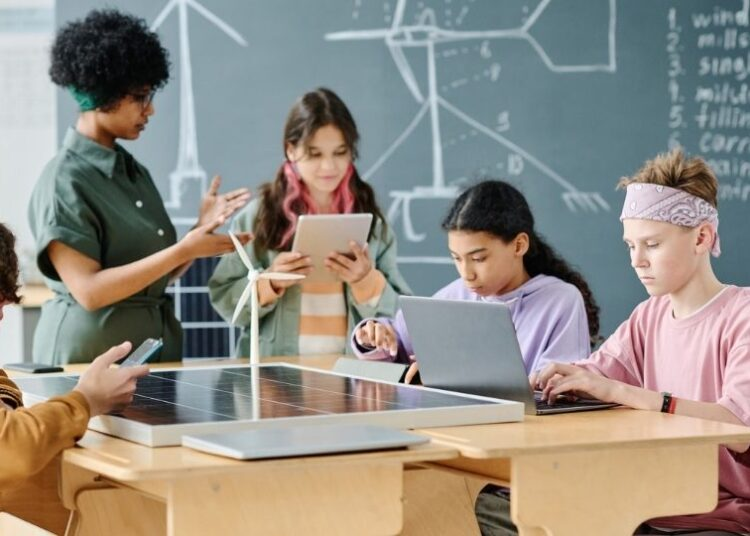
One of the key shifts expected in the Classroom 30x environment is the move towards personalized learning experiences. By leveraging data analytics and artificial intelligence, educators can better tailor instruction to meet each student’s unique learning style and pace. This customization will likely enhance student engagement and improve learning outcomes, as lessons become more relevant and aligned with individual interests.
Moreover, the Classroom 30x model emphasizes collaborative learning. Future classrooms will likely showcase flexible seating arrangements and group-oriented projects that foster teamwork and communication among students. This shift encourages the development of critical soft skills that are imperative in today’s workforce, such as problem-solving and adaptability. Additionally, project-based learning will become increasingly prevalent, allowing students to work on real-world challenges, thus bridging the gap between theoretical knowledge and practical application.
As technology continues to advance, the role of educators will also evolve. Instructors will transition from traditional information dispensers to facilitators of learning who guide and support students as they navigate their educational journeys. Professional development and training will be essential for teachers to effectively implement the Classroom 30x strategies and keep pace with technological advancements.
In conclusion, the Classroom 30x model heralds a future where education is more dynamic, inclusive, and student-centered. By embracing these changes, the education landscape can prepare students not only for academic success but also for thriving in an increasingly complex global environment.
